If you live in Shakopee and you care about how your place looks from the street, you already know the lawn can change fast. One stretch of warm days can push grass growth, then a cooler week slows it down, and suddenly you are at a decision point: mow now or wait, edge now or after the next cut, fertilize now or hold off. A good lawn care routine is less about chasing a perfect calendar and more about reading what the yard is doing and responding with the right timing.
Over the years, I have learned that the most noticeable difference usually comes from the basics done consistently and correctly. Mowing sets the pace for everything else. Edging makes the lawn look intentional. And when the problem is deeper than the surface, good landscaping design installation and tree service skills matter more than most people expect. Let’s walk through how I think about lawn care Shakopee style, with real-world judgment calls you can actually use.
The “right height” mindset: mowing that improves the lawn, not just the look
Mowing is where most homeowners either win or quietly lose. Cutting too short is the fastest way to make a yard look thin and stressed, and it also invites weeds because the grass canopy disappears. Cutting too tall is also a problem, especially in shady areas where clippings can sit and mat. The goal is not just to remove growth, it is to keep the grass healthy enough to outcompete weeds and recover quickly after foot traffic or weather swings.
In practice, I treat mowing like a “frequency and height” balancing act. If growth is steady, regular mowing prevents the blade from taking off too much at once. If growth slows, you can stretch the interval a bit, but only if the lawn stays within a reasonable height range for your grass type and how your yard grows. If you are unsure, watch how the blades react after mowing. A lawn that stays upright and looks even usually means you are close. A lawn that looks scalped, browned, or uneven after a cut usually means you need to adjust height or mowing frequency.
One detail that makes a surprising difference is how you handle the first pass. On thicker lawns, I sometimes overlap more aggressively on the initial pass so you do not miss clumps. Missed clumps create those uneven bands that show up after the sun hits. Another detail is mowing pattern. Yes, you can see patterns if you always mow the same direction, but the bigger issue is consistency. When a crew or a homeowner follows a steady pattern, you jcjpropertymaintenance.com get a cleaner finish at the edges and fewer missed spots near sidewalks, beds, and fence lines.
For anyone using a lawn mowing service Shakopee residents rely on, I recommend asking a simple question: do they mow to maintain a target height, or do they mow to “get it short”? The difference shows up in the lawn’s density and how quickly it rebounds after you stop mowing for a week during a busy stretch.
Edging that looks sharp without wrecking the bed
Edging is where most lawns go from “cut” to “finished.” Landscape edging Shakopee MN clients often want that crisp border between turf and mulch, pavers, or plantings. But edging can also create long-term problems when it is overdone. If edging is too aggressive, it can cut into roots along the bed edge and create a trench that keeps filling with clippings, leaves, and water. Over time, you get a permanent line where plants struggle and turf dries out.
The right approach is to define the edge without removing more soil than necessary. I think of edging as shaping the boundary, not digging it deeper. A clean edge also depends on timing. If you edge too soon after mowing, you may get a blurry line because grass is still settling. If you wait too long, the edge becomes harder and you fight thicker growth. When you edge shortly after mowing, the boundary is already tidied, and you can refine it with less effort and less damage.
There is also the question of tools and technique. A string trimmer can create a tight edge quickly, but it can also kick mulch or soil if the operator angles it wrong. A mower with an edging attachment can make broad lines fast, yet it still needs care near irregular borders like rock gardens, curved bed edges, and areas around tree roots. The best edging crews balance speed with restraint, especially near existing landscaping.
If you have ever watched a job where the yard looked perfect for a week and then the edges blurred, you likely saw a trench created by over-edging. The grass grows back into the gap, mulch gets displaced, and the border stops looking sharp. The fix is not just “edge again,” it is to edge correctly so the boundary stays stable.
The clutter you cannot see: thatch, clippings, and why “just mowing” sometimes fails
Some lawns look fine at a glance, but they feel spongy underfoot. Others look patchy, even though the mower is running regularly. In those cases, the issue often comes down to thatch buildup, heavy clippings in shaded areas, compaction, or soil moisture patterns.
I do not recommend turning every lawn into a high-maintenance project, but I do pay attention to where clippings accumulate and how the lawn looks two or three days after mowing. In thick, dense growth, leaving too many clippings on the surface can lead to a messy look and sometimes contribute to uneven drying. In rainy patterns, that same issue can worsen in spots like near downspouts or under overhanging branches.
When a homeowner tells me, “We mow every week and still have problems,” I usually ask about the grass height changes during the week, whether the yard gets full sun, and where the mower wheels track or compact the ground. Wheel tracks can create subtle ridges and low spots that show up after a couple of seasons. If the lawn is compacted, even good mowing can only do so much, because the grass roots struggle to breathe and extend.
A lawn care routine that includes mowing and edging is a strong foundation. When problems persist, that is when you think about broader lawn care steps, like targeted soil improvement, aeration, or professional help for weed and soil health. The key is to treat the symptom and the cause. Otherwise you end up mowing harder, edging more often, and still not getting the outcome you want.
Shakopee lawns are weather stories, not just grass stories
Shakopee’s seasons bring their own rhythm. Spring growth can be uneven, and early mowing decisions matter because the lawn is transitioning from winter dormancy. Summer pushes faster growth, and if you cut too infrequently you can end up removing a lot of leaf area at once. Fall is where you can either tidy the yard for winter or create a mess that mat down.
I have a personal rule for fall cleanup: do not let the lawn get buried. Leaves that sit on grass can block light and keep moisture trapped, which contributes to dead or thin patches in spring. A light and steady approach to leaf removal, paired with mowing when the lawn is still actively growing, keeps the surface cleaner and reduces spring surprises.
Spring is different. It is tempting to start mowing immediately as soon as the lawn can be accessed, but wet soil changes everything. Mowing on too-wet ground can compact the yard and leave ruts that take time to heal. If your lawn is giving you squishy spots, pause, and give the soil a chance to firm up. This is one of those judgment calls where waiting a day or two can save you from weeks of uneven texture.
When landscaping design and installation changes the whole lawn look
Mowing and edging can only define what already exists. If your beds are irregular, if paths look disconnected, or if tree and shrub placement leaves awkward gaps, the “finished” look never fully clicks. That is where landscaping design installation becomes more than a cosmetic upgrade.
A well-designed yard does three things. First, it reduces ongoing maintenance by placing plants where they can thrive instead of where they are easiest to reach with a trimmer. Second, it improves water movement so beds do not stay soggy and turf does not get repeatedly undercut. Third, it guides the eye. Even if you mow and edge perfectly, a yard with mismatched bed shapes or poorly planned borders can still look unfinished.
In Shakopee, I commonly see homeowners who want the lawn to look sharper, but the real issue is that the beds are overgrown, the mulch lines are inconsistent, or the edge between hardscape and turf is fighting for control. A design that includes clear edges, thoughtful plant spacing, and correct transitions between lawn and bed makes mowing and edging easier because the layout supports clean lines.
Landscaping design installation can also influence the “microclimate” around your lawn. A bed that is too shaded can stay wet and encourage weeds. A bed that dries too quickly can cause plant stress that spills into the surrounding turf. When those factors are considered during installation, your lawn care becomes simpler because you are working with the yard, not against it.
Tree service in Shakopee: shade, roots, and the mowing edge problem
Trees are one of the biggest reasons lawns look different from one corner of the yard to another. Shade can slow growth, which might sound good until you realize uneven growth makes mowing harder. Leaves and pine needles change the surface, and moisture behaves differently under canopy. Then there is the hidden root story.
Tree roots can extend surprisingly far, and mowing and edging near roots can create conflicts. If you edge too deeply near the base of a tree, you can damage surface roots or expose them. If you mow too aggressively in root-adjacent areas, you can weaken turf and create bare patches that invite weeds.
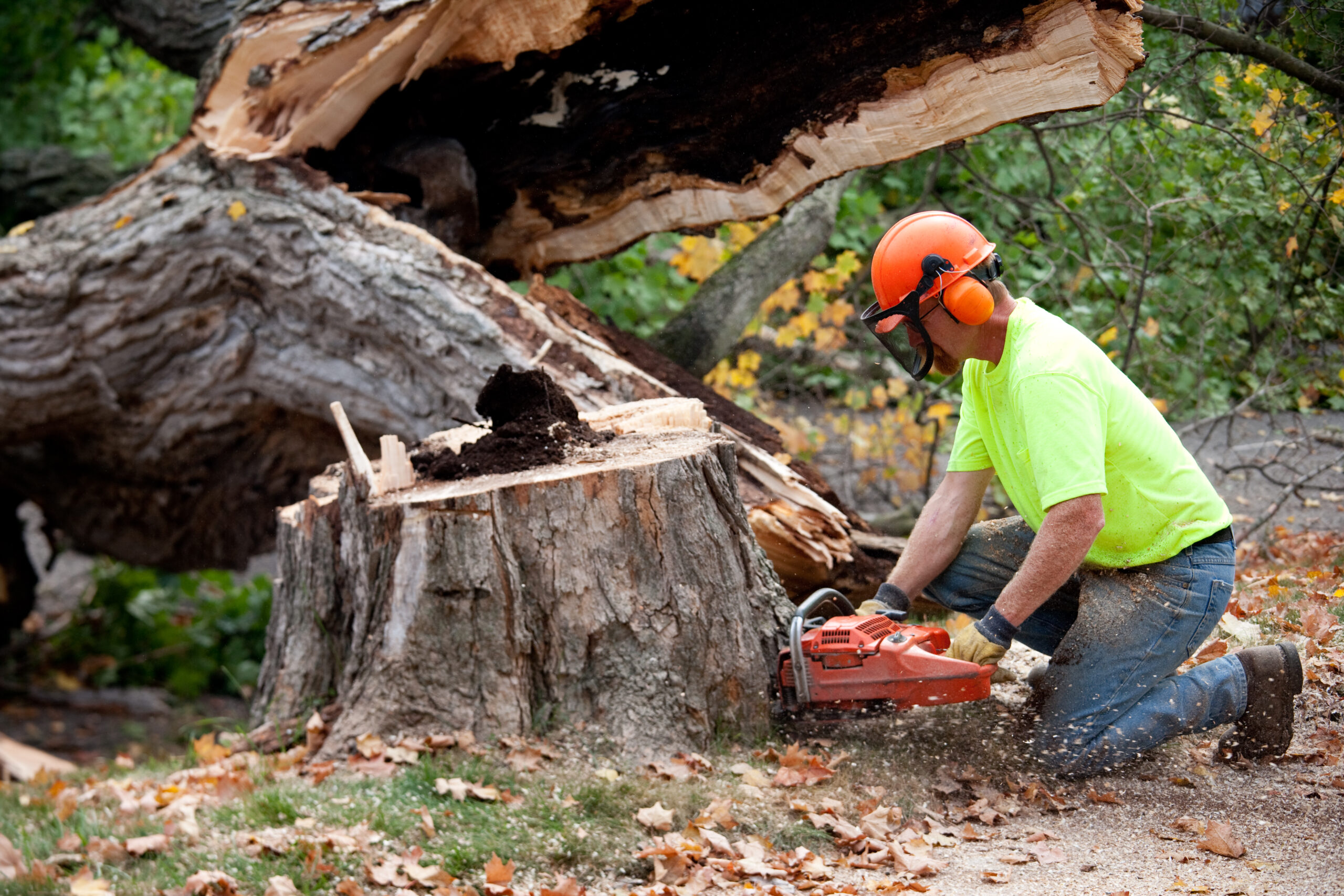
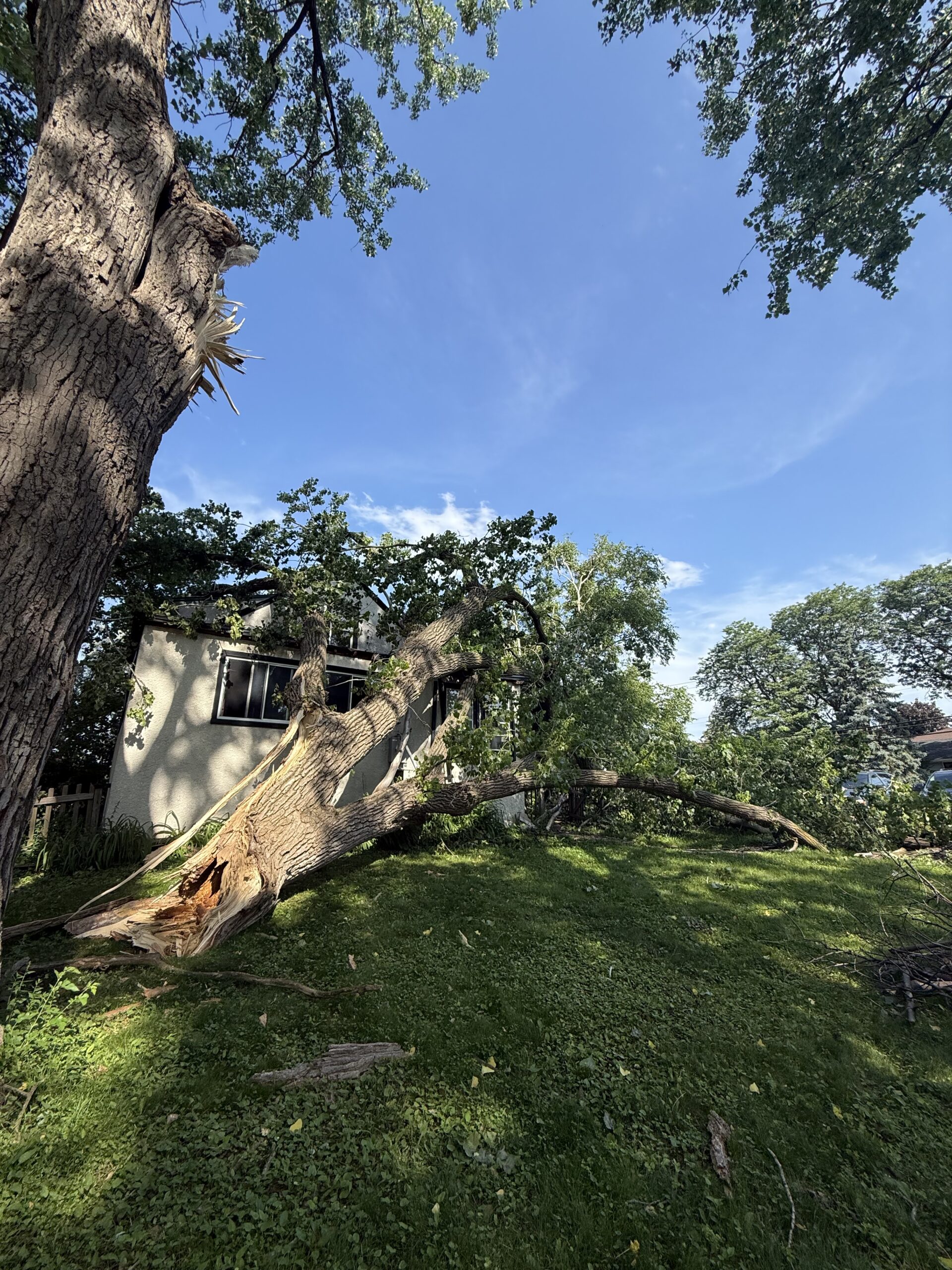
This is where tree service in Shakopee becomes relevant even if you are not thinking about “tree work.” Sometimes you need targeted pruning to improve light penetration for the lawn areas you actually use. Sometimes you need safer clearance around roots and hardscape. And in certain cases, you may need help managing fallen branches and ongoing debris loads so the lawn stays clean enough to recover.
A good lawn crew and a good tree service crew should coordinate. If tree work adds wood chips, debris, or changes the shade pattern, your mowing and edging schedule may need to adjust. You get better results when the yard’s needs are treated as one connected system, not separate tasks.
A realistic maintenance rhythm you can stick with
People often ask for a schedule that does not require constant decisions. In my experience, the best “schedule” is really a set of triggers. You respond when growth is happening, when edges get sloppy, and when seasonal debris threatens to smother the lawn.
Here is a practical way to think about it, without pretending every yard follows the same calendar.
- Spring tidy, when soil firms up enough to mow without creating ruts Regular mowing during the growth peak, using a height target and not just “short cuts” Crisp edging after mowing windows, so the boundary stays clean Fall cleanup that prevents leaves from matting and blocking light
If you are hiring a landscaping service in Shakopee MN for mowing and edging, ask how they decide when to cut and edge. A crew that works on fixed dates may still do fine work, but a crew that responds to growth and yard conditions usually protects your lawn better. Your lawn is the one living thing you will see every day, so the “best” service is the one that adapts to your yard’s behavior.
Choosing a service: what matters more than the word “professional”
The name on the truck matters less than how the work is executed. When you are comparing lawn care options, look beyond “we mow and edge.” Ask how they handle the details that homeowners notice.
I like to listen for three things: consistency in height, careful attention to borders, and the willingness to adjust when the yard is different from the last time.
Here are questions that help separate a quick crew from a team that actually understands lawn dynamics:
- What mowing height do you use, and how do you decide when to raise or lower it? Do you remove clippings or leave them, and how do you handle thicker grass after a growth spurt? How do you edge near beds, pavers, and tree areas to avoid digging trenches or scalping? What do you do when you find drainage issues, ruts, or persistent weeds in the same spots? Can you explain how your landscaping design installation or tree service work affects future mowing and edging?
You can learn a lot just from how someone answers these questions. The best providers are not vague. They talk about technique, timing, and the consequences of over-cutting or over-edging. They also understand that a yard can look great for a day and still be damaged in the long run.
Common edge cases that separate “good enough” from great
Even if you hire a professional lawn mowing service Shakopee homeowners rely on, there are situations that need judgment calls. I will mention a few that come up constantly.
In shaded areas, grass often grows slower and differently. The turf may look thin, yet it is still alive and needs a mowing height that does not scalp it. If you mow shaded areas too short to match the sunny parts, you get uneven texture and a spotty look that never fully smooths out.
Along sloped ground, edging can become a moving target. A crisp line on flat terrain may turn into a blurry border on a slope if clippings wash down or if the edge gets disturbed by run-off. In those areas, it helps to treat the edge as part of drainage. Sometimes you need to adjust bed borders or mulch depth so water does not constantly erode the line.
Near ornamental beds, the edge can be both visually important and physically delicate. Over-trimming roots or mulch can damage plant crowns or expose soil that dries out quickly. A great crew trims back just enough, protects the bed’s integrity, and then refines the border so it holds its shape after the next mowing.
And then there are yards with heavier foot traffic. Play areas, entry paths, and spots where people repeatedly walk and drive across the same route can compact soil over time. Mowing keeps the lawn short, but it does not fix compaction. When you see the same worn pattern repeat year after year, it is a cue to address soil condition, not just cut height.
Putting it all together: the “look” is maintenance, the “health” is decisions
When people talk about a lawn that looks great, they usually mean the surface. The truth is that mowing and edging are also quality control for lawn health. They control how much leaf area the grass keeps, how quickly it recovers, and how consistently it competes with weeds.
In Shakopee, you get the best results when lawn care Shakopee homeowners can trust includes the basics, done with timing and restraint. The lawn looks better because the cuts are consistent, the edges are clean, and beds and trees are respected instead of treated like obstacles to trim around.
If you want a yard that stays sharp across seasons, think in layers. Start with mowing height and frequency. Add precise edging that defines boundaries without trenching. Then upgrade the layout through landscaping design installation if the yard’s structure keeps fighting you. And do not ignore shade, roots, and debris management, especially when tree service in Shakopee is part of the picture.
A great lawn is not one perfect weekend of work. It is a series of smart choices repeated often enough that the grass can do what it does best: grow, recover, and hold its place.
JCJ Landscaping and Snow Removal
7 West Travelers Trail, Unit 391, Burnsville, MN(55337)
(952) 649-6655
[email protected]
Website: https://jcjpropertymaintenance.com